
Eating Healthy on a Budget: How to Plan Your Groceries and Macros
Mastering the art of eating healthy on a budget is one of the most valuable skills you can develop for both your physical well-being and your financial future.
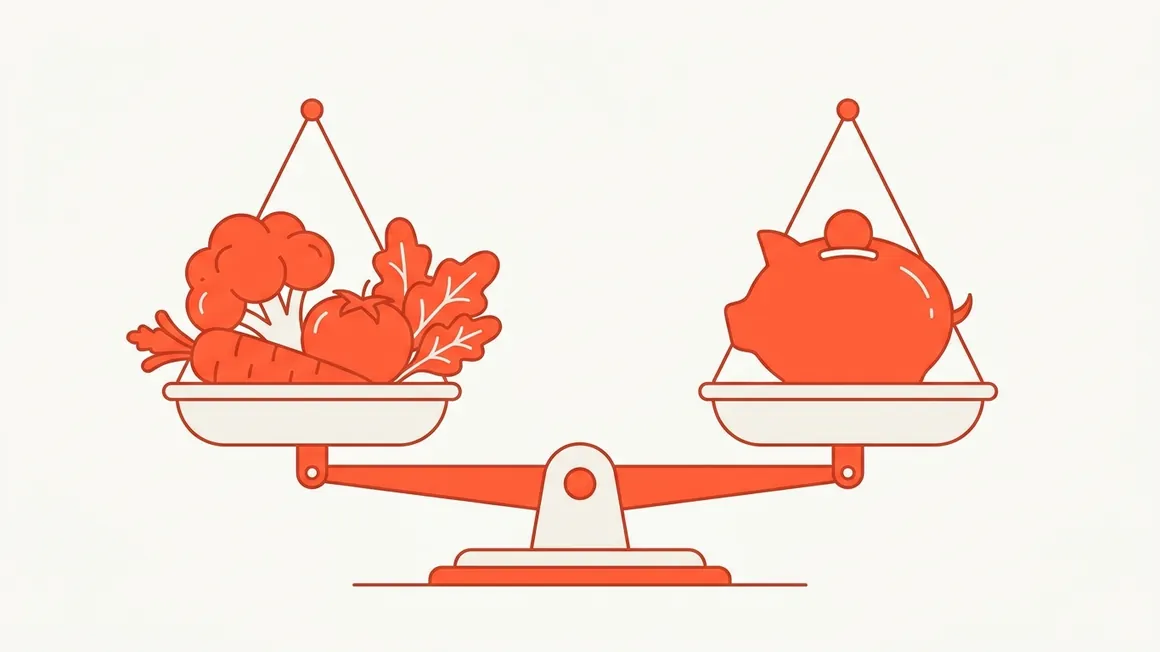
Many people operate under the assumption that hitting their nutritional targets requires spending a fortune on premium, specialty ingredients. The wellness industry often reinforces this idea, heavily marketing expensive superfoods and high-end supplements as the only path to fitness. However, the truth is far more encouraging. By combining smart, strategic grocery shopping with a solid understanding of your macronutrient needs, you can fuel your body optimally without draining your bank account. In this comprehensive guide, we will explore practical, expert-backed methods to optimize your nutrition while keeping your grocery bills firmly under control, proving that financial health and physical health can go hand in hand.
Why eating healthy feels more expensive
If you have ever walked through the fresh produce or health food aisles and felt a sense of sticker shock, you are not alone. The perception that nutritious food is inherently costly stems from a combination of clever marketing, the premium placed on convenience, and a misunderstanding of how to stock a kitchen. When we talk about cheap healthy eating, we have to first dismantle the "health tax"—the premium brands charge simply by slapping words like "artisanal," "keto-friendly," or "superfood" on their packaging.
The Health Halo Effect and Convenience Pricing
Marketers are acutely aware that consumers are willing to pay more for products they perceive as healthy. This creates a "health halo" effect, where a processed protein bar might cost significantly more than the equivalent amount of protein derived from a simple, whole-food source like eggs, cottage cheese, or roasted chickpeas. Furthermore, supermarkets charge a massive premium for convenience. Pre-chopped vegetables, washed and bagged salads, and pre-marinated chicken breasts can cost twice as much per kilogram as their unprepared counterparts. The first step to lowering your grocery bill is to trade a little bit of your time for significant financial savings by purchasing whole, unprepared foods.

Upfront Costs vs. Long-Term Value
Another reason nutritious eating feels expensive is the upfront cost of building a healthy pantry. When you transition to a better diet, you might find yourself buying large quantities of foundational ingredients: a large bottle of extra virgin olive oil, bulk bags of quinoa or brown rice, assorted spices, and large tubs of Greek yogurt. Your checkout receipt on that particular day will look intimidating. However, this is where personal finance principles intersect with nutrition. You must amortize the cost of these bulk items over the weeks or months they will be consumed. A bag of oats might require a higher initial outlay than a single-serving pastry from a café, but the cost per breakfast drops to mere pennies. Understanding this difference between upfront investment and per-meal cost is crucial for sustaining a budget-friendly diet.
The real secret to saving: planning your meals
If you want to drastically save money on groceries, the most effective tool at your disposal is a well-structured, intentional meal plan. Wandering the supermarket aisles without a list is a guaranteed way to overspend, succumb to impulse purchases, and ultimately waste food. Food waste is a silent budget killer; every time you throw away wilted spinach or expired meat, you are essentially throwing away cash. A solid plan ensures that every item you purchase has a designated purpose and a timeline for consumption.
Inventory First, Shop Second
The most cost-effective grocery trip begins before you even leave your house. Start by taking a thorough inventory of your refrigerator, freezer, and pantry. Build your upcoming meals around the ingredients you already have, particularly those that are highly perishable. If you have half a jar of salsa and some leftover chicken, plan a meal that utilizes them before they spoil. This "inventory-first" approach minimizes waste and reduces the number of items you need to buy.
Cross-Utilizing Ingredients
Strategic budget meal planning relies heavily on the concept of cross-utilization. This means planning your week so that highly perishable ingredients are used across multiple, distinct meals. For example, if a recipe calls for half a head of cabbage, you should intentionally plan another meal later in the week that uses the other half, rather than letting it languish in the crisper drawer. By overlapping ingredients, you can buy in larger, more economical quantities without the risk of spoilage.

Aligning Your Plan with Your Macros
A meal plan is only effective if it actually supports your fitness goals. This requires a basic understanding of your nutritional targets. If you are new to tracking, reading a guide to macros can help you understand how to balance proteins, carbohydrates, and fats. When you plan your meals with your macros in mind, you avoid the common trap of buying random "healthy" foods that don't actually fit your daily targets, which often leads to late-night emergency grocery runs or ordering takeout when you realize you haven't hit your protein goal for the day.
How to work out the real cost of what you eat
A fundamental principle of budget nutrition is understanding the difference between the checkout total at the register and the actual cost of the food on your plate. To truly master eating healthy on a budget, you need to start viewing your groceries through the lens of cost-per-serving and cost-per-gram of macronutrients, particularly when it comes to protein, which is typically the most expensive component of any diet.
The Mathematics of Protein
Not all protein sources are created equal when it comes to your wallet. To make informed decisions, you should calculate the cost per 100 grams of actual protein, rather than just the cost of the meat or plant product itself. For instance, a premium cut of steak might cost a significant amount and yield a moderate amount of protein, making the cost-per-gram quite high. Conversely, exploring cheap protein sources like lentils, canned tuna, eggs, and tofu will reveal a drastically lower cost-per-gram. By calculating the true yield of what you are buying—factoring in inedible parts like bones or excess fat that will cook off—you can make highly efficient financial choices that still perfectly support your muscle-building or maintenance goals.
The Golden Rule of Grocery Math: Never judge the cost of a meal by the receipt total of its ingredients. A large sack of rice or a bulk pack of chicken might require a higher upfront investment, but their cost per serving is incredibly low, making them the true cornerstones of budget-friendly nutrition.
Understanding Edible Yield and Waste
When calculating the real cost of your food, you must also account for edible yield. If you buy a whole chicken, the price per kilogram is usually much lower than buying pre-cut, boneless, skinless breasts. However, a portion of that whole chicken is bone and cartilage. While this might seem like a loss, a financially savvy cook will use those bones to make nutrient-dense bone broth, effectively extracting a second, highly valuable product from the initial purchase. This level of resourcefulness drastically drives down the true cost of your daily nutrition.

Comparing prices across the supermarkets you choose
Supermarkets are meticulously designed to encourage you to spend more money. From the placement of essential items at the back of the store (forcing you to walk past thousands of other products) to the strategic positioning of high-margin items at eye level, the environment is engineered for profit. To counteract this, you need a strategy for where and how you shop.
The Power of Unit Pricing
The most important numbers on a supermarket shelf are not the brightly colored sale prices, but the small print showing the unit price (the cost per 100g or per kilogram). Package sizes can be highly deceptive, with brands often shrinking the volume of a product while keeping the box the same size and the price static—a phenomenon known as shrinkflation. By rigidly comparing unit prices, you ensure you are getting the most actual food for your money, regardless of flashy packaging or deceptive "bulk buy" promotions.
Splitting Your Shopping List
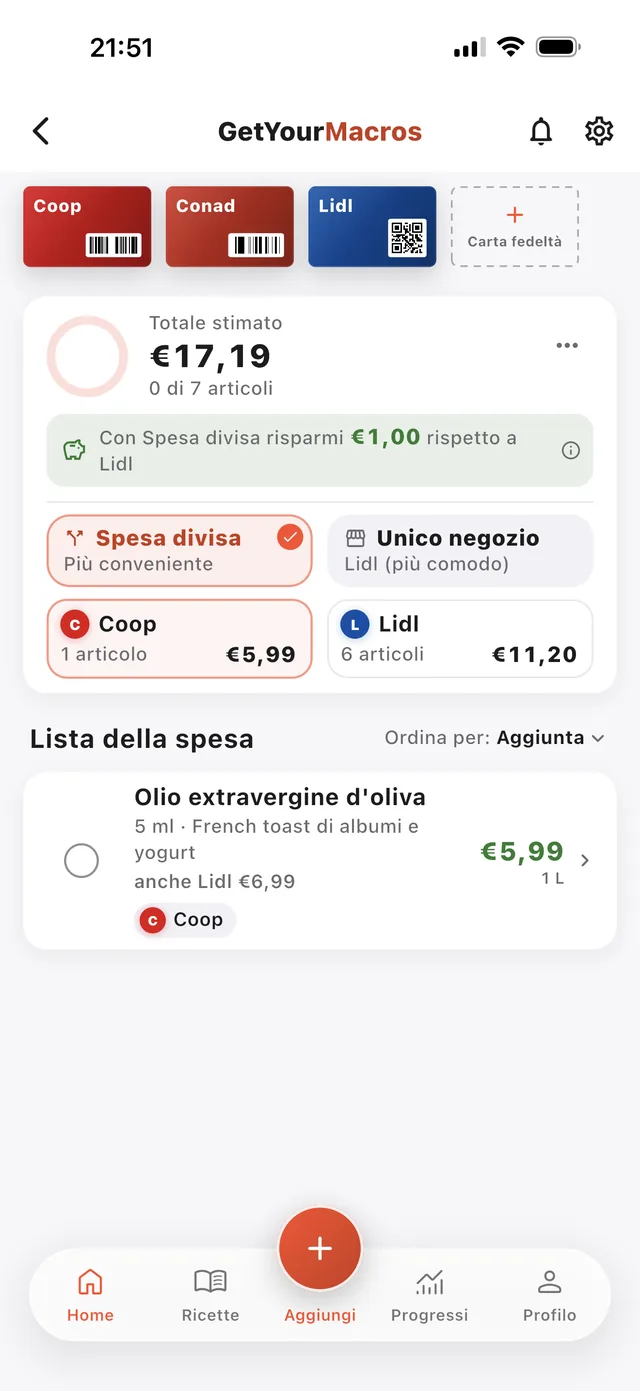
Loyalty to a single store is rarely rewarded in the world of grocery shopping. Different retailers have different loss leaders (items sold at a loss to get you in the door) and different supply chains. One of the best ways to practice eating healthy on a budget is to split your shopping list across the supermarkets you choose. You might buy your bulk dry goods and cleaning supplies at a large discount warehouse, your fresh produce at a local market, and your specialty items at a traditional grocer. While you must balance the potential savings against the time and fuel required to visit multiple locations, strategically dividing your list based on where specific items are cheapest is a proven method for driving down your weekly food costs.
GetYourMacros: the app that unites diet and grocery budget
Successfully managing both your macronutrient intake and your grocery finances can feel like a full-time job. You are constantly juggling spreadsheets, recipe links, and calculator apps to figure out if a meal fits your diet and your wallet. This is exactly where GetYourMacros steps in. Available as a free iOS and Android app, it is designed specifically to bridge the gap between hitting your fitness goals and maintaining your financial health.
Seamless Planning and Real-World Budgeting
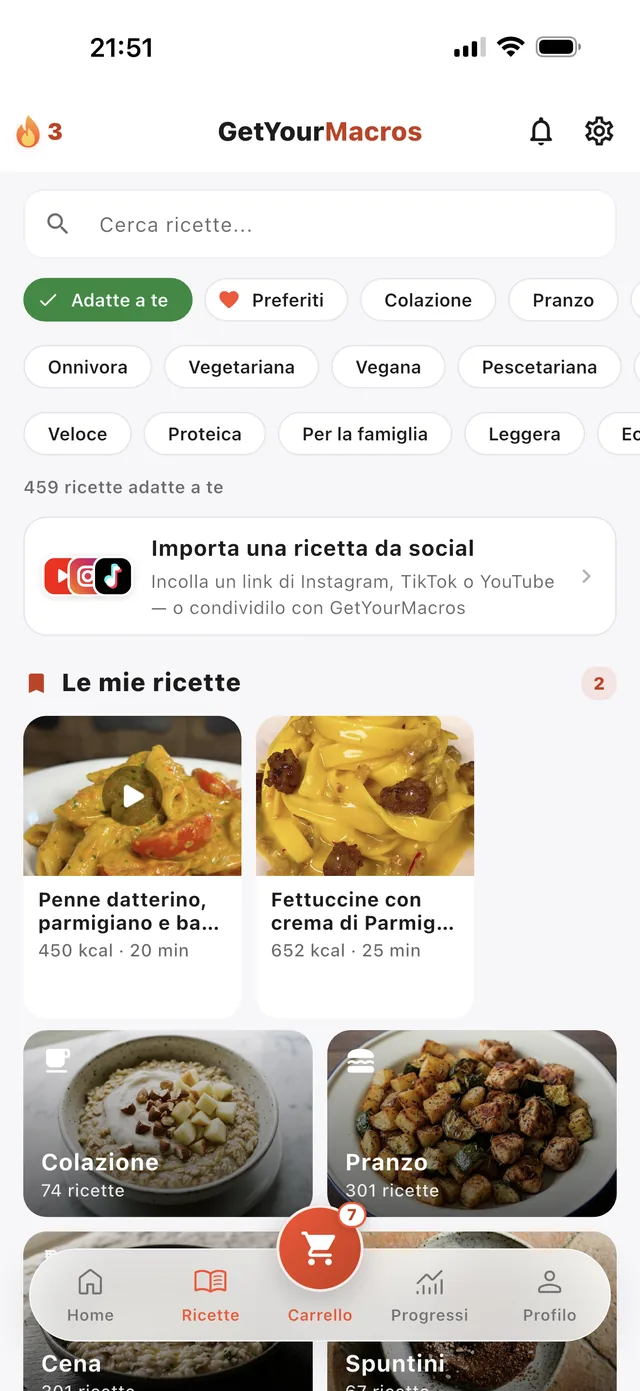
When you download GetYourMacros, a quick onboarding process sets your daily calorie, protein, carb, and fat targets (which are fully editable to suit your specific needs), and you don't even need to create an account to start using it. The app provides a weekly meal plan composed from a curated recipe library, offering up to 6 meal slots per day. Whether you are an omnivore, vegetarian, vegan, or pescatarian, the plan adapts to you. Each meal clearly displays its calories, macros, prep time, and an approximate cost. If a suggested meal doesn't appeal to you, one tap swaps it for another dish of the same course, rescaled to the same calories.
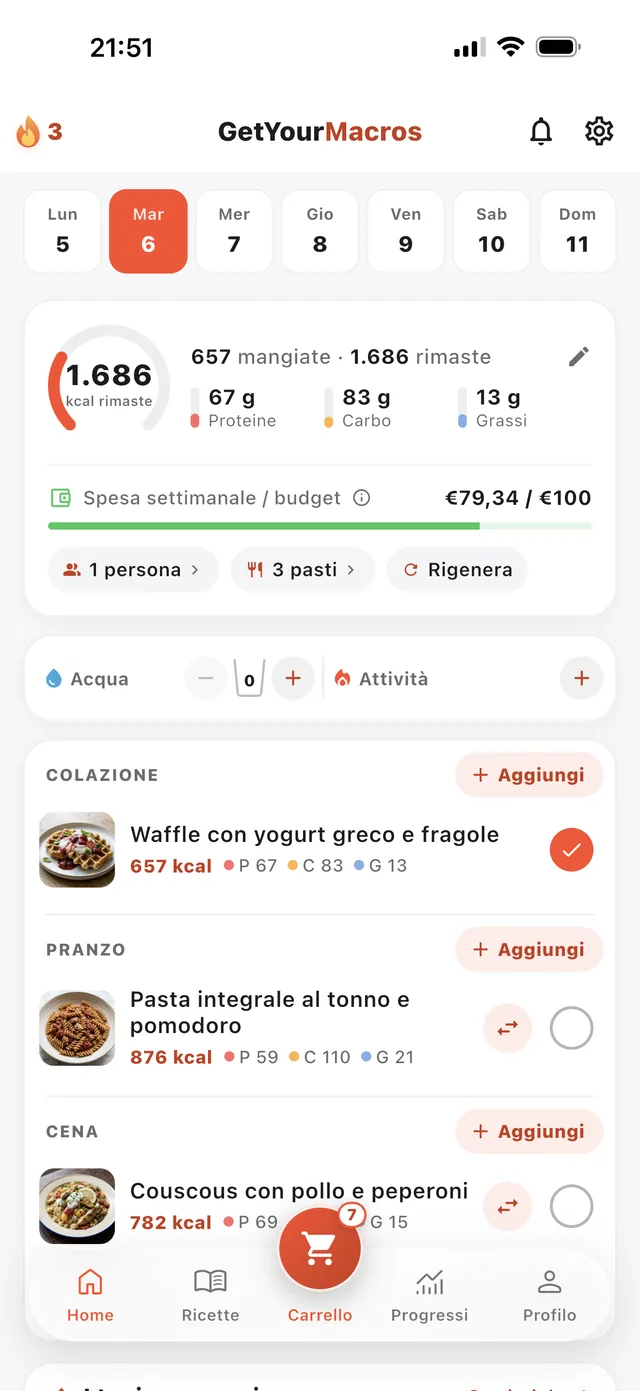
Where GetYourMacros truly revolutionizes grocery shopping is its budgeting system. From your meal plan, you generate a precise shopping list that you can split across the supermarkets you choose. The app intelligently compares your split list against buying everything in one single store to surface the most efficient savings, highlighting current community-reported deals along the way. Furthermore, the budget counts the cost of the food you actually eat (calculated per person cooked for), rather than the whole-pack receipt total, giving you a true reflection of your daily food costs.
Community-Driven Prices and Effortless Tracking
The pricing data within GetYourMacros is incredibly accurate because it is reported by the community. Users simply scan a barcode or photograph a shelf tag, which is then read by AI and tied to a specific supermarket. In cases where a exact price is missing, the app provides a clearly labelled estimate so you are never left guessing.
Beyond planning and shopping, GetYourMacros features a robust food diary. You can log your meals by photographing the dish for an AI estimate, scanning a barcode, or searching the extensive food database. Visual tools like a calorie ring and macro bars keep you on track, while streaks and 7- and 30-day averages help you monitor your long-term consistency. If you find a great meal online, you can import a recipe by simply pasting a link from Instagram, TikTok, YouTube, or the web, or even by uploading a screenshot. The app estimates its macros, allows you to keep it in your personal library, and lets you tap its ingredients directly into your shopping list.
To keep you motivated, the app includes gamification features where you earn XP, climb levels, and compete in a weekly league. GetYourMacros is completely free to use, with an optional Premium tier available for those who want to take their tracking to the next level. By combining precise nutritional tracking with real-world grocery mathematics, GetYourMacros is the ultimate tool for mastering your health and your budget simultaneously.
Want to see how it all fits inside a fixed budget? Discover the GetYourMacros budget diet.
Start for free
Get a weekly meal plan that respects your macros and your budget.