
Cheap protein: the high-protein foods that cost the least
Getting 25 g of protein costs between €0.31 and €1.53, based on regular shelf prices recorded between 8 July and 10 September 2026. That price gap across different sources has a noticeable impact on your grocery receipt, especially when you need to meet a target every single day. Here you will find a clear comparison of 13 animal and plant foods to help you choose the right cheap protein for your diet. We show you how to use each item across your meals, how to manage your portions, and how to swap out expensive alternatives without altering your target macros.

What 25 g of protein costs
This 25 g portion represents a common protein target for a single meal.
Comparing the cost of 25 g of protein helps you assess the real value of each food. You will find protein and calories per 100 g, the price per kg, and the supermarket chain with the lowest price.
| Food | Protein per 100 g | kcal per 100 g | €/kg | € per 25 g of protein | Chain |
|---|---|---|---|---|---|
| Dried lentils | 24 g | 340 | 2.98 | €0.31 | Eurospin |
| Dried cannellini beans | 23.4 g | 337 | 2.98 | €0.32 | Lidl |
| Light quark | 12 g | 66 | 2.78 | €0.58 | Eurospin |
| Fresh sardines | 20.8 g | 129 | 5.98 | €0.72 | Eurospin |
| Eggs | 12.5 g | 130 | 3.82 | €0.76 | Eurospin |
| Whey protein powder | 80 g | 380 | 25.98 | €0.81 | Lidl |
| Chicken breast | 23 g | 110 | 8.29 | €0.90 | Lidl |
| Greek yogurt 0% | 10 g | 57 | 3.78 | €0.94 | Eurospin |
| Boneless chicken thighs | 19 g | 116 | 7.58 | €1.00 | Eurospin |
| Lean beef mince 5% | 20.5 g | 127 | 10.48 | €1.28 | Eurospin |
| Skyr | 11 g | 63 | 5.67 | €1.29 | Eurospin |
| Plain tofu | 12.5 g | 120 | 6.76 | €1.35 | Eurospin |
| Canned tuna in water | 23 g | 100 | 14.04 | €1.53 | Eurospin |
Regular, non-promotional shelf prices recorded at Lidl and Eurospin between 8 July and 10 September 2026 (GetYourMacros price catalogue), the same as the protein per euro ranking; each food takes the lower of the two chains. Dried pulses weighed dry.
Dried lentils provide 25 g of protein for €0.31. Dried pulses cost the least, though they come with more calories than some animal sources. If you want a different balance, light quark at €0.58, eggs at €0.76, and Greek yogurt 0% at €0.94 offer practical alternatives for your intake.
At the higher end of the scale, lean beef mince 5% at €1.28 and canned tuna in water at €1.53 increase your total checkout bill. To set up a workable budget diet, you should rotate different cheap high-protein foods around your daily macros. You can check the complete ranking of 88 foods in our guide to protein per euro.
Why protein matters for your goals
People who train are often advised to aim for 1.6 to 2.2 g of protein per kg of bodyweight. This amount helps you build and retain muscle mass over time, and it also plays a key role in keeping you satisfied between meals.
As you can explore in the guide to what macros are, protein is almost always the most expensive part of your grocery shop. Common carbohydrates such as pasta and rice carry very low prices per kilo, but foods like fresh fish, meat, and dairy quickly inflate the total on your receipt. Learning to identify the most economical sources allows you to hit your daily intake reliably without placing unnecessary pressure on your weekly food budget.
The best cheap protein sources (omnivore, vegetarian and vegan)
Building a cost-effective meal plan requires knowing which foods offer the highest protein yield for the lowest cost. The good news is that nature provides an abundance of affordable protein across all dietary spectrums. Here is a breakdown of the best budget-friendly options whether you eat meat, consume dairy, or follow a strictly plant-based lifestyle.
Omnivore: Meat, Poultry, and Seafood
If you include animal products in your diet, you have access to highly bioavailable, complete proteins. The trick is to step away from the premium cuts and look for equally nutritious, lower-cost alternatives.

- Chicken Thighs and Drumsticks: While chicken breasts are the staple of many fitness diets, they often carry a premium price tag. Chicken thighs and drumsticks are fantastic cheap protein sources that are much more forgiving to cook. They retain moisture better than leaner cuts and provide a substantial amount of high-quality protein. Just be sure to account for the slightly higher fat content in your daily macro targets.
- Canned Tuna and Sardines: Canned seafood is a powerhouse of nutrition and convenience. Canned light tuna packed in water is incredibly lean and boasts a massive protein-to-calorie ratio. Sardines, while slightly higher in fat, offer the added benefit of essential Omega-3 fatty acids and calcium (if you eat the soft bones). They are shelf-stable, making them perfect for buying in bulk when you spot a great deal.
- Pork Sirloin and Chops: Pork is frequently overlooked in fitness circles, but lean cuts like pork sirloin roasts or center-cut chops are highly affordable and rival chicken breast in their protein density. They are versatile, take well to various marinades, and offer a welcome break from the usual poultry routine.
- Eggs: Often referred to as nature's multivitamin, whole eggs are one of the most cost-effective sources of high-quality protein available. They contain all nine essential amino acids and are packed with healthy fats and micronutrients like choline. Buying them in larger flats rather than standard dozens usually drives the cost per serving down even further.
Vegetarian: Dairy and Eggs
For those who skip meat but still consume animal by-products, dairy is an absolute goldmine for budget protein foods.
- Greek Yogurt: Traditional Greek yogurt is strained to remove excess liquid, resulting in a thick, creamy product that contains nearly double the protein of regular yogurt. To keep costs low, avoid the single-serve, flavored cups. Instead, purchase large tubs of plain, unflavored Greek yogurt. You can sweeten it yourself at home with a handful of berries or a drizzle of honey.
- Cottage Cheese: Cottage cheese is rich in casein, a slow-digesting dairy protein that provides a steady release of amino acids. This makes it an excellent option for an evening snack. Like Greek yogurt, buying larger containers will stretch your grocery budget significantly. It is also incredibly versatile—you can blend it into smoothies, use it as a base for high-protein pancakes, or eat it savory with black pepper and tomatoes.
- Whey Protein Powder: While a tub of whey protein requires a larger upfront purchase, the actual cost per gram of protein is remarkably low. When you break it down per scoop, whey is often cheaper than chicken or beef. It is a highly convenient way to bump up your daily numbers when you are short on time.
- Milk: Standard dairy milk is an old-school, highly effective way to consume protein and calories on a budget. Whether you choose skim milk for pure protein or whole milk for added dietary fat, it remains one of the most accessible and affordable protein beverages on the market.
Vegan: Legumes, Grains, and Soy
Eating high protein on a budget is highly achievable on a vegan diet, provided you focus on the right staples. Plant-based proteins are consistently the cheapest items in the supermarket.

- Lentils: Lentils are the undisputed champions of the budget pantry. They are dense in both protein and dietary fiber, which promotes digestive health and long-lasting fullness. Unlike dried beans, lentils do not require overnight soaking and cook relatively quickly, making them a convenient base for soups, stews, and salads.
- Chickpeas and Black Beans: Whether you buy them dried (the absolute cheapest method) or canned for convenience, beans are a staple for affordable protein. Pairing beans with rice creates a complete amino acid profile, providing your body with everything it needs to synthesize new tissue.
- Tofu and Tempeh: Derived from soybeans, tofu is a complete plant-based protein that acts like a culinary sponge, absorbing whatever spices and marinades you apply to it. Extra-firm tofu provides the highest protein concentration per block. Tempeh, which is fermented soy, offers a nuttier flavor and even more protein and fiber per serving.
- Textured Vegetable Protein (TVP): TVP is a highly processed but incredibly cheap soy product that comes in dehydrated flakes or chunks. Once rehydrated, it mimics the texture of ground meat perfectly. It is virtually fat-free and loaded with protein, making it an ideal budget substitute for ground beef in chili or pasta sauces.
- Peanut Butter: While peanut butter is calorically dense and higher in fat, it still offers a respectable amount of protein. Opt for natural varieties where the only ingredients are peanuts and salt. It is a fantastic, cheap addition to oatmeal, smoothies, or just spread on whole-grain toast.
How to swap costly foods while keeping your macros intact
Knowing the best cheap protein sources is only half the battle; the other half is knowing how to integrate them into your daily life without feeling like you are sacrificing flavor or variety. One of the most effective strategies is the "half-and-half" method. If a recipe calls for a large amount of an expensive protein, like ground beef, you can substitute half of that meat with a cheaper alternative, such as brown lentils or TVP. The plant-based proteins will absorb the savory flavors of the meat, bulking up the volume of the meal, drastically lowering the cost per serving, and keeping the protein content high.
Another smart swap involves looking at the state of the food you are buying. Fresh fish and fresh berries can decimate a grocery budget in seconds. However, the frozen aisles offer the exact same nutritional benefits for a fraction of the cost. Frozen tilapia, frozen salmon fillets, and frozen edamame are picked and flash-frozen at peak freshness, locking in their macronutrients. By embracing frozen goods, you ensure that your budget meal planning remains sustainable week after week.
Finally, consider buying whole cuts of meat and breaking them down yourself. A whole chicken is significantly cheaper per pound than buying pre-cut, boneless, skinless breasts. Learning basic knife skills allows you to portion out the breasts for lean meals, use the thighs and drumsticks for richer dishes, and boil the bones to create a nutrient-dense bone broth. This zero-waste approach maximizes every penny spent.
The Golden Rule of Budget Macros: Always calculate your protein cost per serving, not per package. A tub of protein powder or a massive bag of dried lentils might seem like a larger expense at checkout, but the actual cost per gram of protein is drastically lower than buying single-serve items or premium fresh meats.
Using community-reported prices to find the deals
Grocery prices are notoriously volatile. Inflation, seasonal changes, and regional supply chain issues mean that a staple food that was cheap last month might suddenly spike in price today. This unpredictability makes adhering to a strict food budget incredibly frustrating. Traditional meal planning often falls apart at the checkout counter when you realize the ingredients you wrote down now cost significantly more than you anticipated.
This is where leveraging community knowledge becomes invaluable. When shoppers share real-time pricing data from the aisles, it creates a transparent ecosystem where everyone benefits. Instead of guessing which store has the best price on Greek yogurt or chicken thighs, you can rely on verified, up-to-date information. Knowing the exact cost of items at the supermarkets you choose allows you to make informed decisions before you even leave your house. If you notice that eggs have surged in price at your usual store, but a community report shows a great deal on tofu or canned tuna nearby, you can pivot your meal plan instantly, securing your affordable protein without missing a beat.
Track protein and budget with GetYourMacros
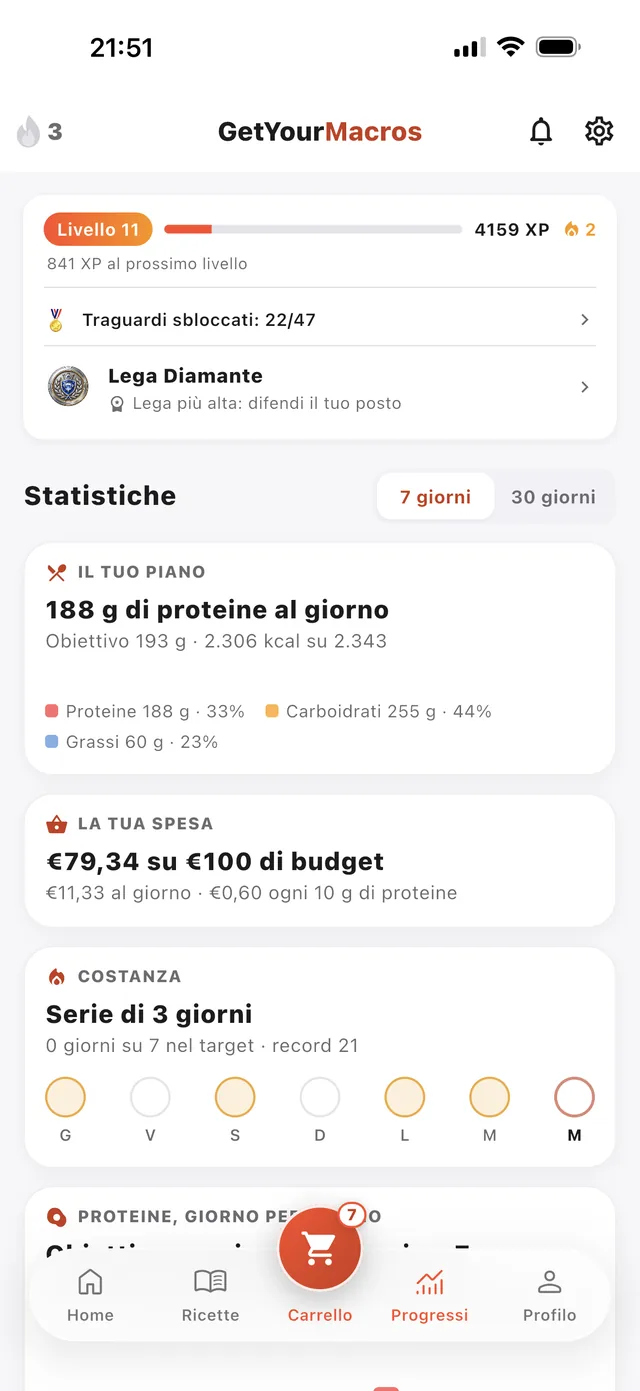
Balancing your nutritional goals with your financial reality does not have to be a stressful, manual process of spreadsheets and calculators. GetYourMacros is a free iOS and Android app designed to seamlessly integrate macro tracking with smart grocery budgeting, ensuring you hit your targets without overspending.
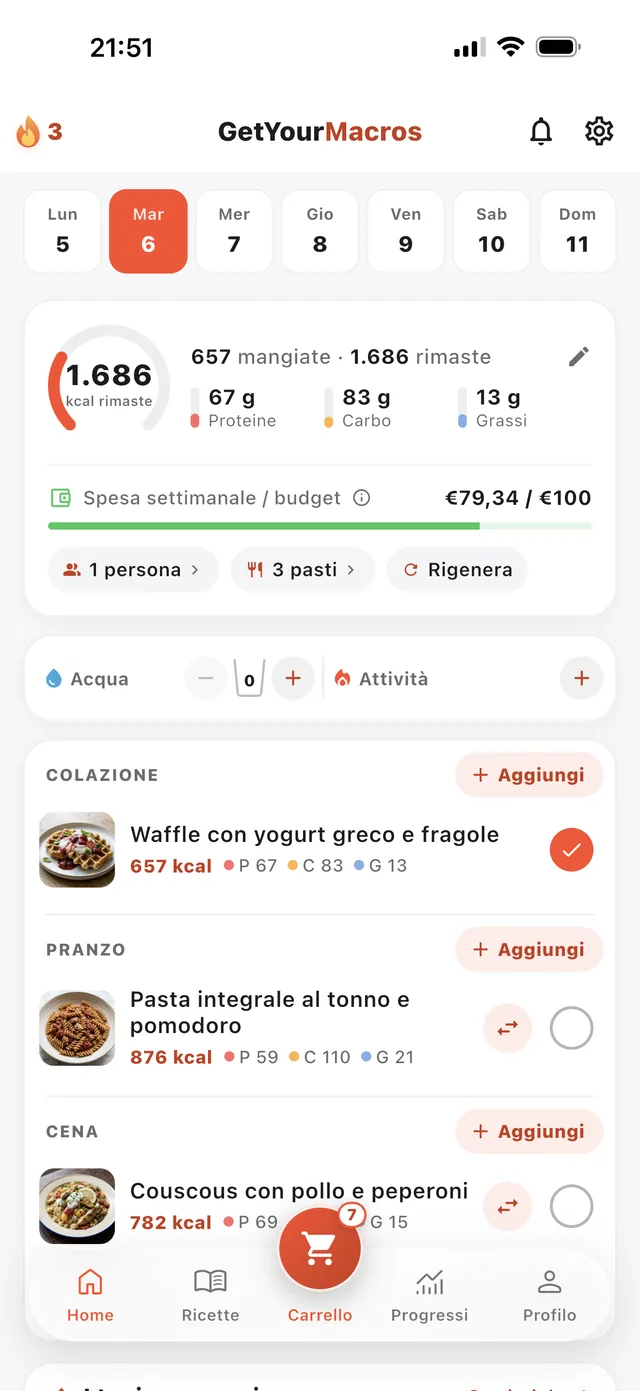
Getting started is incredibly frictionless. A quick onboarding process sets your daily calorie, protein, carbohydrate, and fat targets based on your personal metrics—and these targets are fully editable at any time. You do not even need to create an account to start using the app. From there, GetYourMacros provides a weekly meal plan composed from a curated recipe library full of variety. You get 6 meal slots per day, and every single meal clearly displays its calories, macros, prep time, and an approximate cost. If a suggested meal features an ingredient that is currently too expensive, one tap swaps that meal for another dish of the same course, rescaled to the same calories. You can easily customize your experience by choosing an omnivore, vegetarian, vegan, or pescatarian diet preference.
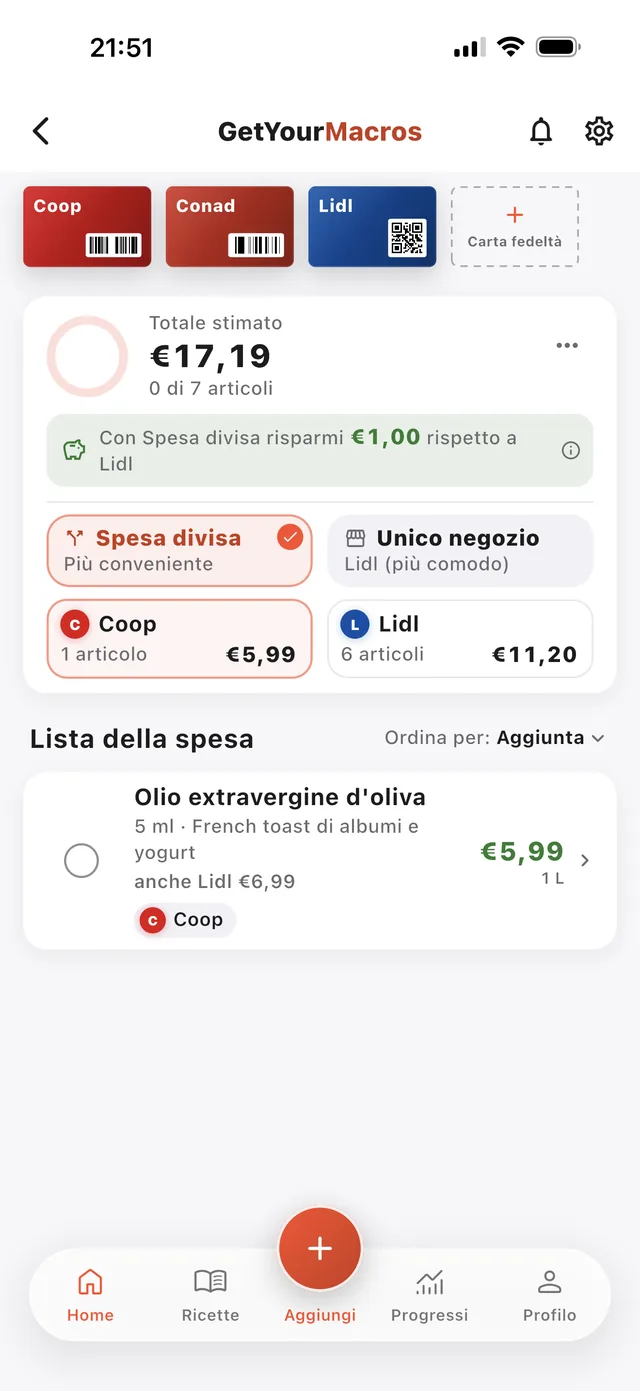
The app truly shines when it is time to shop. One tap turns your meal plan into a shopping list that you can split across the supermarkets you choose. The app intelligently compares your split list against buying everything in one store to surface potential savings. This is powered by real prices reported by the community. Users simply scan a barcode or photograph a shelf tag, which is then read by AI and tied to that specific supermarket. Current community-reported deals are highlighted directly on your list. If a price is missing, the app shows a clearly labelled estimate. Crucially, your budget counts the cost of the food you actually eat (calculated per person cooked for), not the whole-pack receipt total, giving you a true picture of your daily food expenses.
Logging your daily intake is just as innovative. The food diary allows you to log meals by photographing the dish (where AI provides an estimate), scanning a barcode, or searching the extensive food database. You can monitor your daily progress via a satisfying calorie ring and detailed macro bars, track your streaks, and review your 7- and 30-day averages to ensure long-term consistency. Have a favorite cheap protein recipe from social media? You can import a recipe simply by pasting a link from Instagram, TikTok, YouTube, or the web—or even by uploading a screenshot. The app estimates its macros, saves it for you, and lets you tap its ingredients straight into your shopping list.
To keep you motivated, GetYourMacros includes fun gamification features like XP, leveling up, and a weekly league to compete in. The app is completely free to use, with an optional Premium tier available for those who want to take their tracking to the next level. Hitting your macros on a budget has never been easier.
Want these proteins already spread across your week? Discover the GetYourMacros weekly meal plan.
Start for free
Get a weekly meal plan that respects your macros and your budget.